UNESCO’s INTANGIBLE CULTURAL HERITAGE
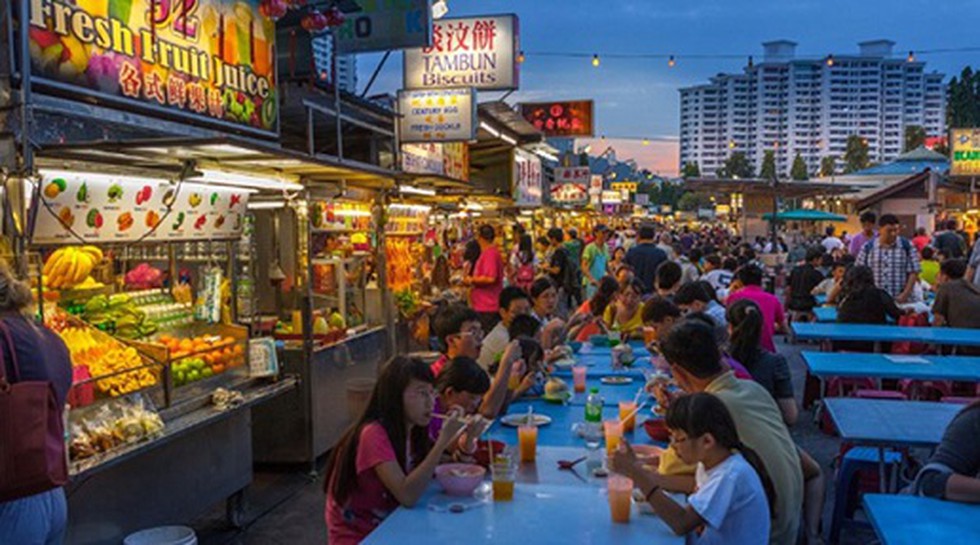
Singapore’s street hawker culture, was designated an Intangible Cultural Heritage by the UNESCO. The street hawker centres are representative of Singapore’s multiculturalism, with stalls selling cheap, delicious food of Chinese, Malay, Indian origins, among others.
About:
- Intangible culture is that part of culture which cannot be touched but can only be recorded. It includes performing arts like song, music, drama, skills, crafts etc.
- Convention for the Safeguarding of the Intangible Cultural Heritage was adopted in 2003. India ratified it in 2007.
UNESCO’s list of intangible culture
- It is an annual list which focuses on those forms of performing art which are of outstanding value but are vulnerable due to lack of support.
- The program currently compiles two lists –
- Representative List: It comprises cultural practices and expressions that help to demonstrate the diversity of this heritage and raise awareness about its importance. It is longer.
- Urgent Safeguarding list: It is composed of those cultural elements “whose continuous recreation and transmission” are threatened and are in need of immediate support. It is shorter.
- Representative List: It comprises cultural practices and expressions that help to demonstrate the diversity of this heritage and raise awareness about its importance. It is longer.
- Domains: There are five broad ‘domains’ in which intangible cultural heritage is manifested:
- Oral traditions and expressions, including language as a vehicle of the intangible cultural heritage;
- Performing arts;
- Social practices, rituals and festive events;
- Knowledge and practices concerning nature and the universe;
- Traditional craftsmanship.
- Oral traditions and expressions, including language as a vehicle of the intangible cultural heritage;
- A total of 13 Intangible cultural heritage (ICH) elements from India have been inscribed till date on the UNESCO’s Representative List of the Intangible Cultural Heritage of Humanity.
ELECTRICITY (RIGHTS OF CONSUMERS) RULES, 2020
Union Government has for the first time laid down Rights to the Electricity Consumers through “Electricity (Rights of Consumers) Rules, 2020”.
About:
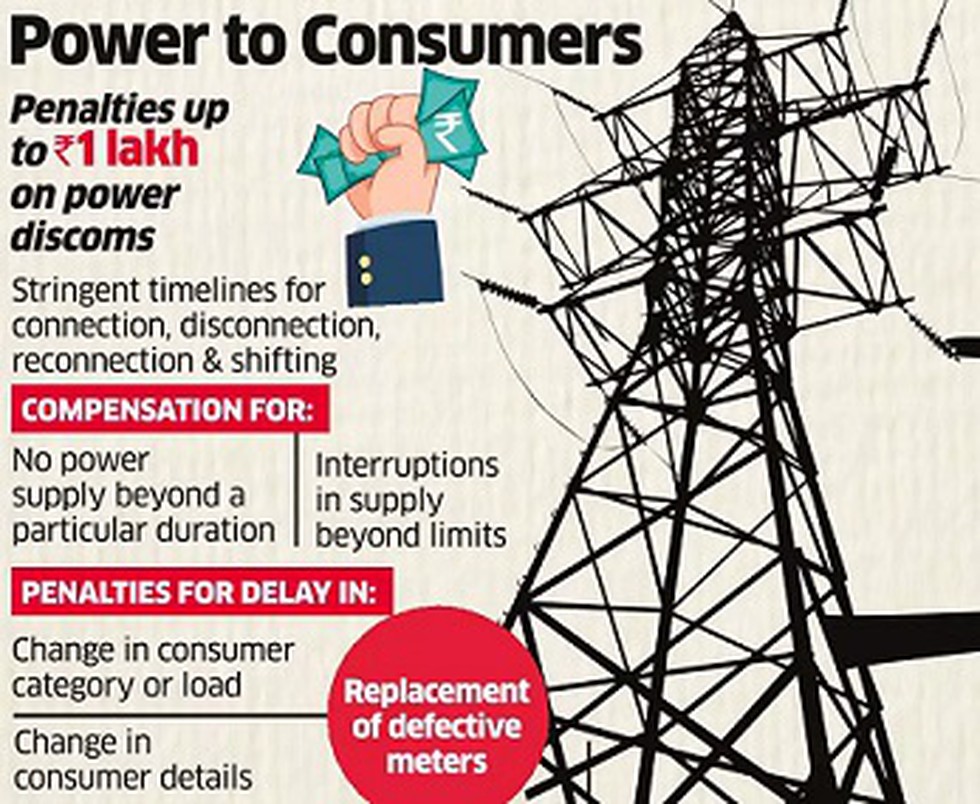
- Consumers across the country will now have the right to a minimum standard of service for supply of electricity. DISCOMs have to ensure minimum standard of service under the rules.
- This will also include the right to round-the-clock electricity supplies, unless stated otherwise for a specific category, such as an agricultural connection.
- These rules provide for rights of consumers and obligations of distribution licensees, release of new connection and modification in existing connection, metering arrangement, billing and payment, among others.
- An automatic compensation mechanism will be put in place. It will include no supply to a consumer beyond a particular duration and certain number of interruptions in supply, which will be specified by the regulatory commission.
- A new connection has to be given within a maximum time period of seven days in metro cities, 15 days in other municipal areas, and 30 days in rural areas.
- The rules recognise consumer as a prosumer as well, where prosumers will maintain consumer status and have the same rights as a general consumer. They will also have right to set up renewable energy generation unit, including rooftop solar photovoltaic systems — either on their own or through a service provider.
SHAHEEN-IX
China has justified its ongoing joint air exercise "Shaheen-IX" with Pakistan, even though it had expressed apprehensions about India’s "Malabar exercise" last month.
About:
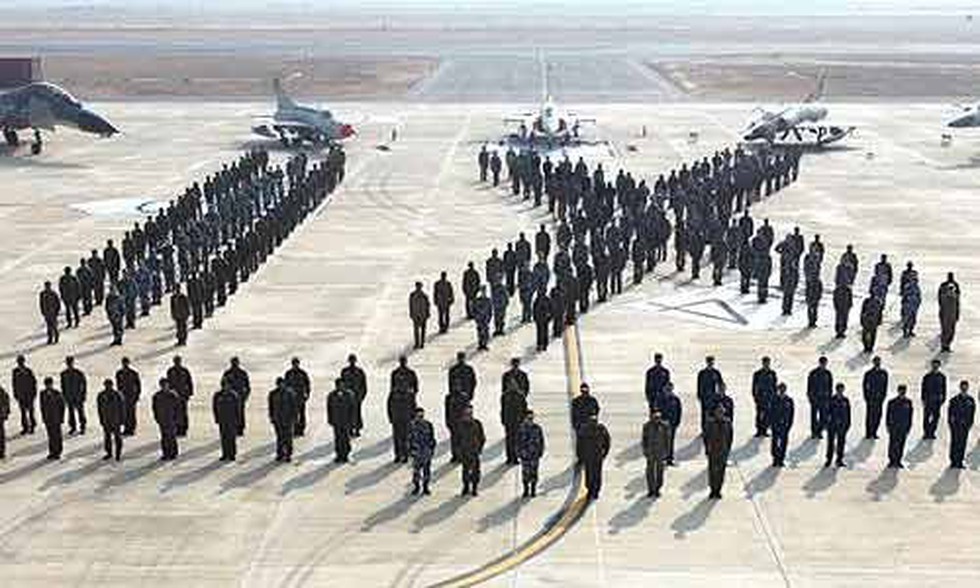
- China defended "Shaheen-IX" exercise with Pakistan air force as a routine arrangement, which experts believe is reflective of a larger strategic posture towards India.
- The Air Forces of China and Pakistan are holding their annual exercise "Shaheen-IX" since 9th December in Pakistan’s southern Sindh province near Indian border.
- India recently hosted the Malabar 2020 naval exercise with the U.S., Japan and Australia.
- A Chinese state media had termed the Malabar naval drill as an ill-intentioned attempt to corner China.
- India had categorically stated that the orientation of Malabar exercise had been towards a free, open, inclusive Indo-Pacific as well as a rule-based international order.
- BARODA MILITARY SALARY PACKAGEIndian Army and Bank of Baroda have entered into a Memorandum of Understanding (MoU) for ‘Baroda Military Salary Package’.
About:
- The MoU lays down the basis on which banking services would be provided by Bank of Baroda to serving and retired personnel of Indian Army.
- Services under ‘Baroda Military Salary Package’ will be offered to serving and retired personnel of Indian Army through the Bank’s network of over 8,200 domestic branches and around 20,000 business correspondent touchpoints.
- The package offers benefits including free Personal Accidental Insurance cover, Permanent Total Disability cover, Partial disability Cover as well as Higher Education Cover and Girl Child Marriage Cover on death in case of serving personnel.
- Other offerings under the package include unlimited free ATM transactions at all bank ATMs, waivers or concessions on various service charges in retail loans, free remittance facility through RTGS/NEFT, free Demand Draft/Banker’s Cheque, substantial discount in locker rentals, and various additional benefits in usage of Cards.
GREEN NATIONAL HIGHWAY CORRIDORSThe Centre and the World Bank signed a USD 500 million project to build safe and green national highway corridors in Rajasthan, Himachal Pradesh, Uttar Pradesh and Andhra Pradesh.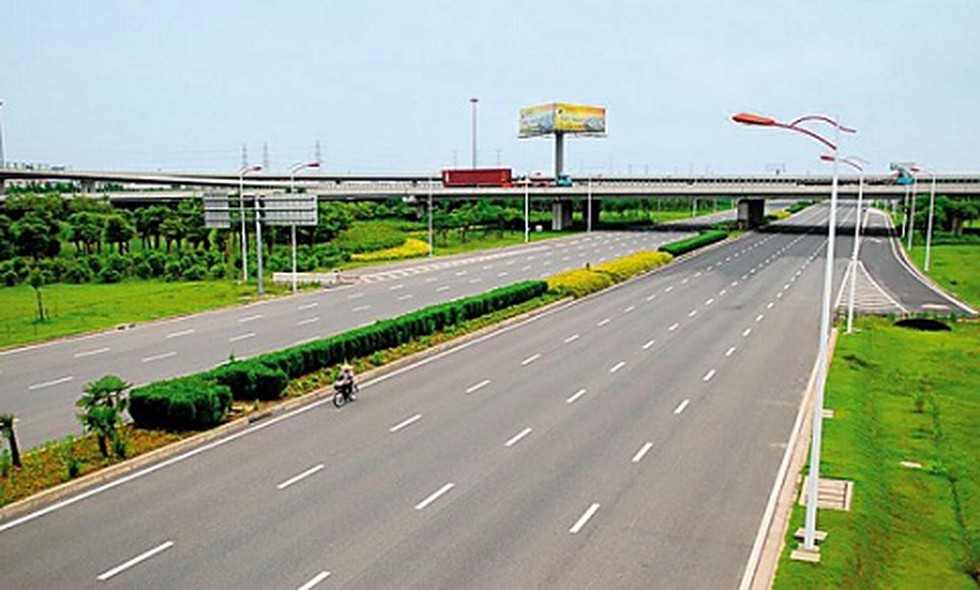
About:
- The Green National Highways Corridors Project will support the Road Transport and Highways Ministry to construct 783 kilometres of highways in various geographies by integrating safe and green technology designs such as local and marginal materials, industrial by-products and other bioengineering solutions.
- The project will help reduce GHG emissions in the construction and maintenance of highways.
- The project will also enhance the capacity of the Ministry of Road Transport and Highways in mainstreaming safety and green technologies.
- The $500 million loan from the International Bank for Reconstruction and Development (IBRD), has a maturity of 18.5 years including a grace period of five years.
MEDIUM RANGE SURFACE TO AIR MISSILE (MRSAM)Defence Research and Development Organisation (DRDO) achieved a major milestone with the maiden launch of Medium Range Surface to Air Missile (MRSAM), Army Version from Integrated Test Range, Chandipur, off the Coast of Odisha.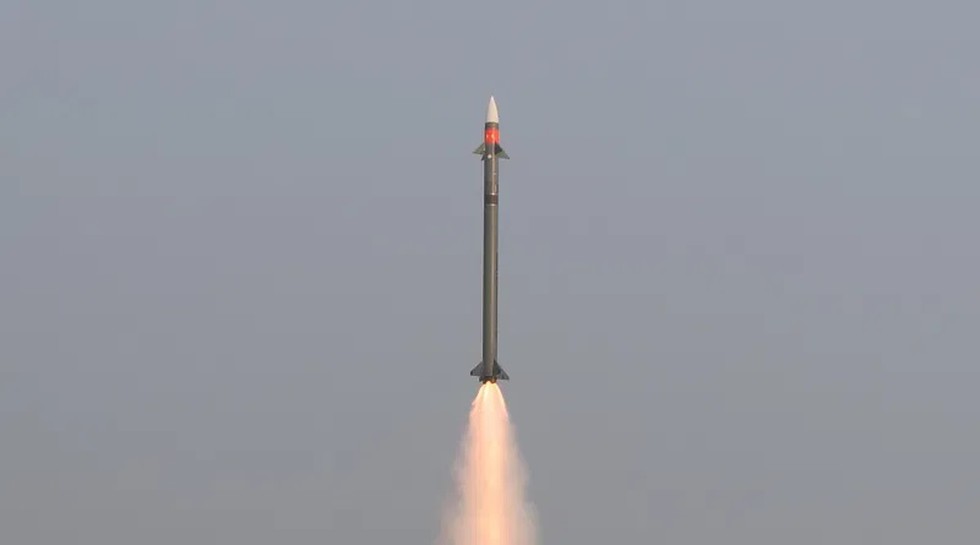
About:
- The missile completely destroyed a high speed unmanned aerial target which was mimicking an aircraft with a direct hit.
- Army version of MRSAM is a surface to Air Missile developed jointly by DRDO, India and IAI, Israel for use of the Indian Army.
- MRSAM Army weapon system comprises of Command post, Multi-Function Radar and Mobile Launcher system.MEDIUM RANGE SURFACE TO AIR MISSILE (MRSAM)
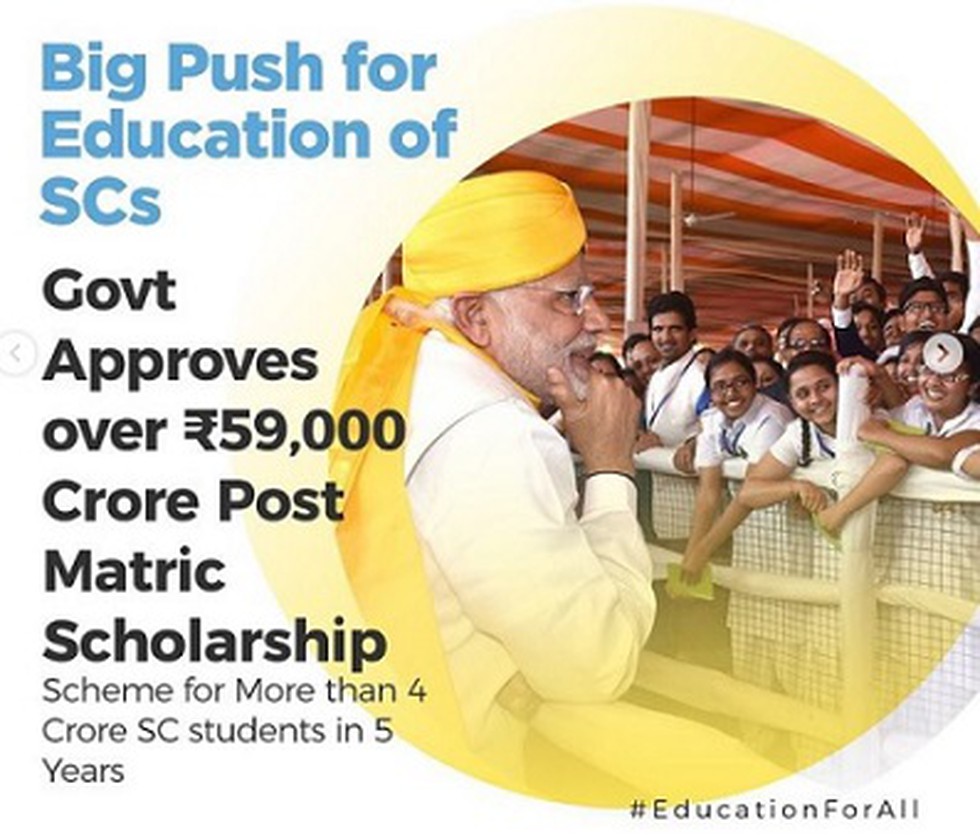
- POST MATRIC SCHOLARSHIP TO STUDENTS BELONGING TO SCHEDULED CASTES (PMS-SC)The Union Cabinet has today approved major changes in the Centrally Sponsored Scheme ‘Post Matric Scholarship to students belonging to Scheduled Castes (PMS-SC)’ to benefit more than 4 Crore SC students in the next 5 years so that they can successfully complete their higher education.
Following are the details:
- A campaign will be launched to enroll the students, from the poorest households passing the 10th standard, in the higher education courses of their choice in the next 5 years.
- The scheme will be run on an online platform with robust cyber security measures that would assure transparency and timely delivery of the assistance.
- The States will undertake fool-proof verification of the eligibility, caste status, Aadhar identification and bank account details on the online portal.
- Transfer of financial assistance to the students under the scheme shall be on DBT mode, and preferably using the Aadhar Enabled Payment System. Starting from 2021-22, the Central share (60%) in the scheme would be released on DBT mode directly into the bank accounts of the students.
- Monitoring mechanism will be further strengthened through conduct of social audits, annual third party evaluation, and half-yearly self-audited reports from each institution.
- The Central Assistance which was around Rs 1100 crore annually during 2017-18 to 2019-20 would be increased more than 5 times to be around Rs 6000 core annually during 2020-21 to 2025-26.
DIRECT-TO-HOME (DTH)The Union Cabinet has approved the proposal for revision of the guidelines for obtaining license for providing Direct-To-Home (DTH) broadcasting service in India.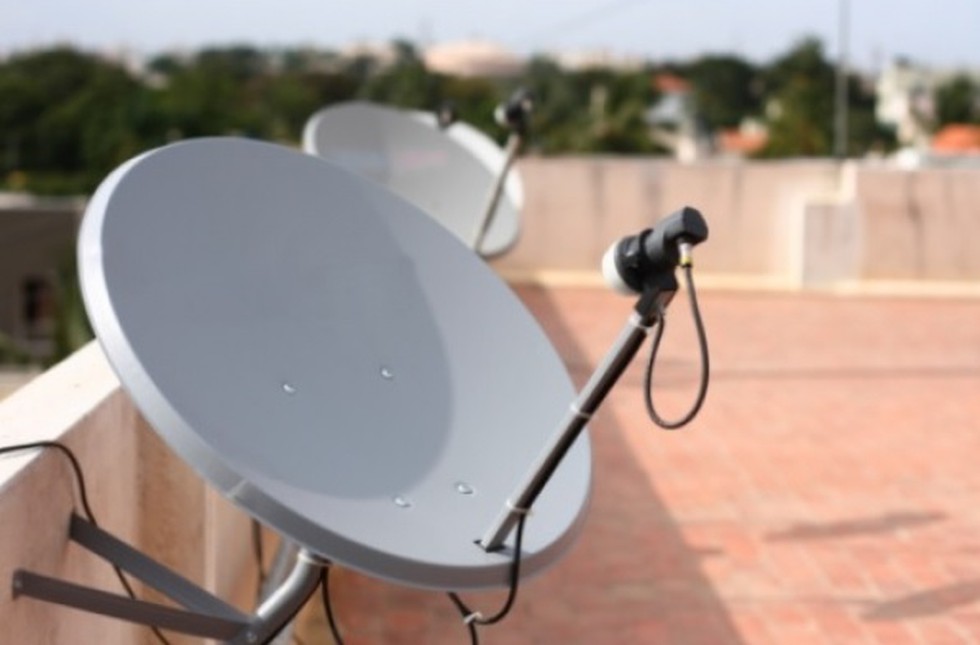
The salient features of the decision are:
- License for the DTH will be issued for a period of 20 years in place of present 10 years. Further the period of License may be renewed by 10 years at a time.
- License fee has been revised from 10% of GR to 8% of AGR. AGR will be calculated by deduction of GST from GR.
- License Fee will be collected on quarterly basis in lieu of presently annual basis.
- DTH operators shall be permitted to operate to a maximum of 5% of its total channel carrying capacity as permitted platform A one-time non-refundable registration fee of Rs.10,000 per PS channel shall be charged from a DTH operator.
- Sharing of Infrastructure between DTH operators. DTH operators, willing to share DTH platform and transport stream of TV channels, on voluntary basis, will be allowed.
- The cap of 49% FDl in the existing DTH guidelines will be aligned with the extant Government (DPIIT's) policy on FDl as amended from time to time.
- The decision will come into effect as per revised DTH guidelines are issued by the Ministry of Information and Broadcasting.
- A campaign will be launched to enroll the students, from the poorest households passing the 10th standard, in the higher education courses of their choice in the next 5 years.
- MERGER OF FIVE FILM MEDIA UNITSUnion Cabinet has approved Merger of Five Film Media Units, namely Films Division, Directorate of Film Festivals, National Film Archives of India, and Children's Film Society, India with the National Film Development Corporation (NFDC) Ltd.

About:
- The merger of Film Media Units under one corporation will lead to convergence of activities and resources and better coordination, thereby ensuring synergy and efficiency in achieving the mandate of each media unit.
- Films Division, a subordinate office of M/o I&B, was established in 1948, primarily to produce documentaries and news magazines for publicity of Government programmes and cinematic record of Indian history.
- Children's Film Society, India, an autonomous organisation, was founded in 1955 under the Societies Act with the specific objective of providing children and young people value-based entertainment through the medium of films.
- National Film Archives of India, a subordinate office of M/o I&B, was established as a media unit in 1964 with the primary objective of acquiring and preserving Indian cinematic heritage.
- Directorate of Film Festivals, as attached office of M/o I&B was set up in 1973 to promote Indian films and cultural exchange.
- NFDC is a Central Public Sector Undertaking, incorporated in the year 1975 with the primary object of planning and promoting an organized, efficient and integrated development of the Indian Film Industry.
- The Union Cabinet also approved the appointment of a Transaction Advisor and Legal Advisor to advise on the transfer of assets and employees and to oversee all aspects of operationalization of the merger.
KISAN DIWASNational Farmers’ Day, or Kisan Diwas, is celebrated across the country on December 23 to honour India’s farmers and mark the birth anniversary of the nation’s fifth prime minister, Choudhary Charan Singh.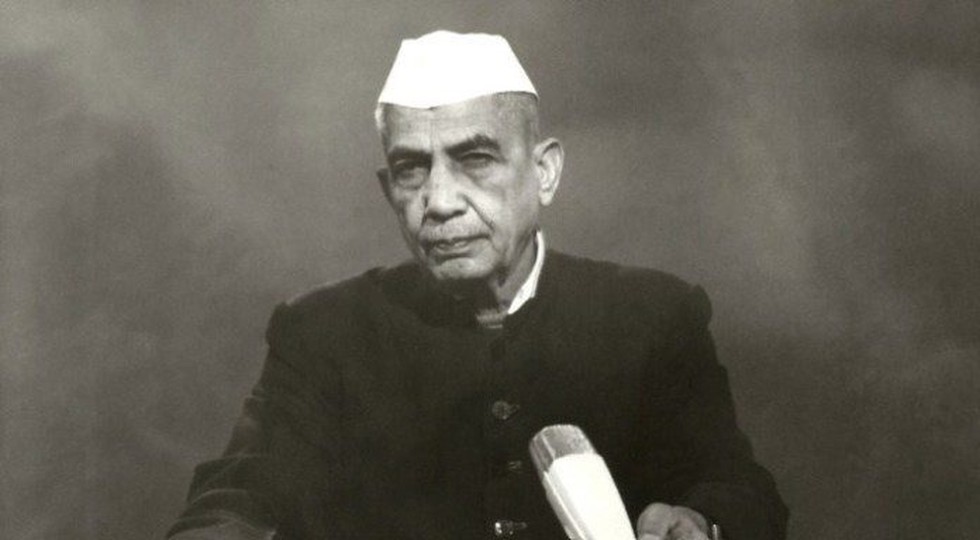
About:
- Chaudhary Charan Singh, who briefly served as prime minister between 1979 and 1980, is widely regarded as one of the country’s most famous peasant leaders.
- Charan Singh served twice as chief minister of India’s biggest agrarian state, Uttar Pradesh, where he played a major role in shaping land reforms. He was behind several major farmer-forward Bills, including the Land Utilisation Bill of 1939 and the Debt Redemption Bill in 1939.
- While serving as agriculture minister in 1952, he led UP in its efforts to abolish the zamindari system. In fact, he went on to draft the UP Zamindari and Land Reforms Bill himself.
- On 23 December, 1978, he founded the Kisan Trust — a non-political, non-profit making body — with the aim of educating India’s rural masses against injustice, and fostering solidarity among them.
- In 2001, the government decided to recognise Choudhary Charan Singh’s contribution to the agriculture sector and welfare of farmers by celebrating his birth anniversary as Kisan Diwas.
- The merger of Film Media Units under one corporation will lead to convergence of activities and resources and better coordination, thereby ensuring synergy and efficiency in achieving the mandate of each media unit.
- The MoU lays down the basis on which banking services would be provided by Bank of Baroda to serving and retired personnel of Indian Army.
Comments
Post a Comment